 November 17, 2026
When I first downloaded a casual puzzle game on my phone while waiting for the Tube, I realised that the line between “just a distraction” and “real entertainment” was blurring. Today, the UK market is flooded with titles that are not only easy to pick up but also offer depth, community and monetisation models that rival traditional consoles.
Instant Access, No Install Fuss
One of the most tangible benefits is the elimination of download time. A 20‑megabyte match‑making game can be ready to play in under 30 seconds on a 5G connection. That speed means that a 15‑minute break at work can become a fully immersive experience, rather than a half‑hour waiting period. For players who juggle multiple commitments, the ability to start a session with a single tap is a game‑changer.
Micro‑Transactions and Fair Pricing
Unlike the old “pay‑up‑front” model, many mobile titles now use a “freemium” approach. A basic version is free, but optional purchases—such as a 50‑point boost or a themed skin—cost between £0.99 and £4.99. This pricing tier aligns closely with the average UK disposable income for casual gamers, which research shows averages around £200 per month. Consequently, players feel less pressure to spend large sums, and developers can maintain a steady revenue stream without alienating their base.
Social Connectivity and Competitive Leaderboards
Modern mobile games integrate social media logins and cross‑platform leaderboards. I’ve seen friends compete in a real‑time strategy match, then immediately share a screenshot on Instagram Stories. The instant feedback loop—seeing a friend’s high score appear on your personal board—creates a shared experience that was once confined to LAN parties. This social layer turns a solitary activity into a communal event.
From Passive Watching to Active Participation
Streaming services have long dominated the UK’s entertainment landscape, but mobile gaming offers a different kind of engagement. Instead of passively watching a show, players make decisions that directly influence outcomes. Even simple choice‑based narratives, like those found in visual novel apps, can generate up to 30 distinct endings, providing replay value that keeps users coming back.
Cross‑Device Continuity and Cloud Saves
With cloud storage, a game started on a phone can be paused on a tablet and resumed on a laptop without losing progress. This continuity means that players are no longer bound to a single device. In practice, a user can finish a level on a morning commute and pick it up on a weekend at home, creating a seamless experience that mirrors the fluidity of modern life.
Vegashero: Bridging Mobile and Online Gaming
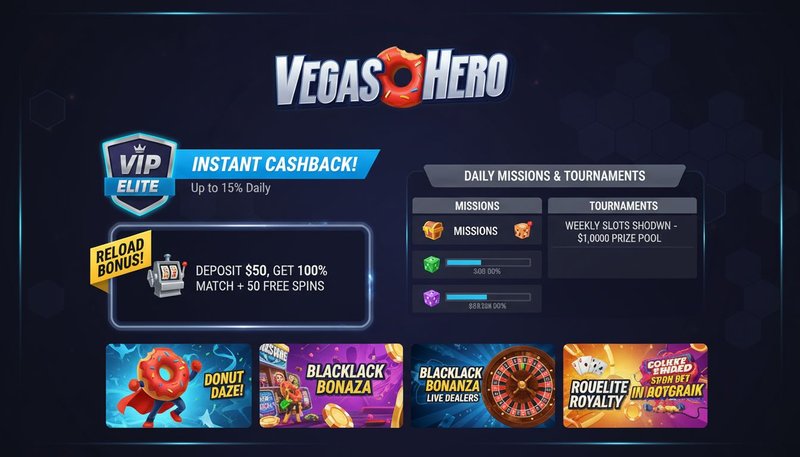
For those who enjoy a bit more variety, the same skillset that makes mobile gaming appealing translates well to online entertainment. By exploring platforms that offer both casual and more sophisticated gaming options, players can discover new ways to challenge themselves. Vegashero is one such destination that blends the convenience of mobile play with the depth of traditional online gaming.
Limitations Worth Noting
Not every mobile game offers the same quality. Some titles rely heavily on aggressive micro‑transactions, pushing players toward “pay‑to‑win” mechanics that can erode enjoyment. Additionally, battery consumption can become a concern; a graph‑intensive game can drain a phone’s battery by 30% in just 45 minutes, which is problematic for users who travel frequently.
Conclusion: A New Era of Portable Fun
Mobile gaming has moved beyond a niche pastime. It now provides instant, socially connected, and financially approachable entertainment that fits into the hectic schedules of UK players. While there are drawbacks—particularly around monetisation strategies and device strain—the overall impact is clear: the way we entertain ourselves on the go is undergoing a fundamental shift, and it’s happening right on our phones.
Frequently Asked Questions
Why is mobile gaming becoming popular in the UK?
Because it offers instant access, low download sizes, and engaging gameplay that rivals consoles.
What makes UK mobile titles stand out?
They combine easy pick‑up with depth, community features and competitive monetisation models.
How long does a typical UK mobile game take to download?
Many titles are under 20 MB, allowing players to start playing in seconds.